

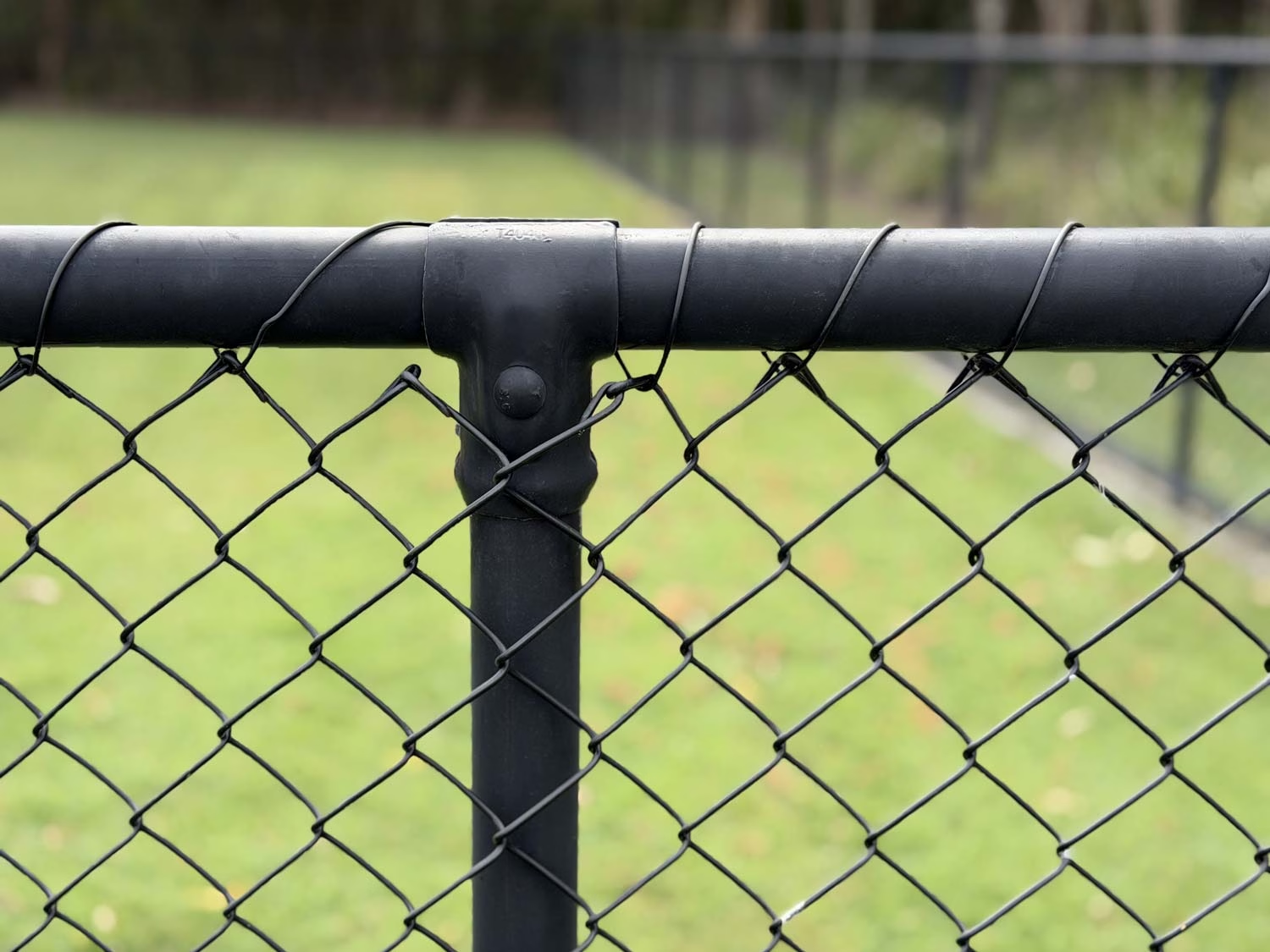
Choosing the correct steel pipe size is one of the most important and often misunderstood parts of building a fence. Unless you have an understanding, you may assume pipe size refers to the outside diameter. You will discover later that clamps don’t fit, gates sag, or rails don’t line up.
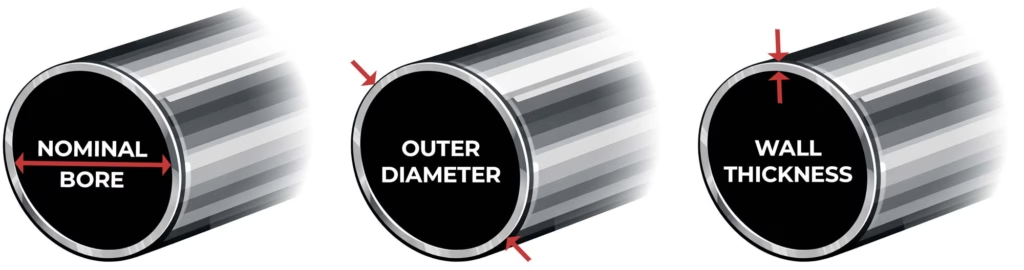
Steel pipe sizing uses terms like Nominal Bore (NB), Outer Diameter (OD) and Wall Thickness, which aren’t always intuitive. This guide explains what those terms actually mean and, more importantly, how they affect fencing posts, rails, gates and hardware so you can select the right materials with confidence when building your next steel or chainwire fence.
This is your quick reference pipe dimensions guide that will be explained further down.
| Nominal Bore (NB) Metric | Nominal Bore (NB) Imperial | Outside Diameter (OD) Metric | Outside Diameter (OD) Imperial | Wall Thickness (MM) & Section |
|---|---|---|---|---|
| 15NB | ½” | 21.3mm | 27⁄32″ | 2.0 Extra Light 2.3 Light 2.6 Medium 3.2 Heavy |
| 20NB | ¾” | 26.9mm | 1 1⁄16″ | 2.0 Extra Light 2.3 Light 2.6 Medium 3.2 Heavy |
| 25NB | 1″ | 33.7mm | 1 11⁄32″ | 2.0 Extra Light 2.6 Light 3.2 Medium 4.0 Heavy |
| 32NB | 1 ¼” | 42.4mm | 1 11⁄16″ | 2.0 Extra Light 2.6 Light 3.2 Medium 4.0 Heavy |
| 40NB | 1 ½” | 48.3mm | 1 29⁄32″ | 2.3 Extra Light 2.9 Light 3.2 Medium 4.0 Heavy |
| 50NB | 2″ | 60.3mm | 2 3⁄8″ | 2.3 Extra Light 2.9 Light 3.6 Medium 4.5 Heavy |
| 65NB | 2 ½” | 76.1mm | 3″ | 2.3 Extra Light 3.2 Light 3.6 Medium 4.5 Heavy |
| 80NB | 3″ | 88.9mm | 3 ½” | 2.6 Extra Light 3.2 Light 4.0 Medium 5.0 Heavy |
| 90NB | 3 ½” | 101.6mm | 4″ | 2.6 Extra Light 3.2 Light 4.0 Medium 5.0 Heavy |
| 100NB | 4″ | 114.3mm | 4 ½” | 3.2 Extra Light 3.6 Light 4.5 Medium 5.4 Heavy |
| 125NB | 5″ | 139.7mm | 5 ½” | 3.0 Extra Light 3.5 Light 5.0 Medium 5.4 Heavy |
| 150NB | 6″ | 165.1mm | 6 ½” | 3.0 Extra Light 3.5 Light 5.0 Medium 5.4 Heavy |
Why Steel Pipe Size Matters in Fencing Projects
Steel pipe size directly affects the fence strength and stability. Pipe size affects compatibility with clamps, brackets and fittings used to build the fence. Each fitting is designed for a particular pipe size.
When installing gates, it allows for correct performance and longevity. Pipe size also affects the overall appearance and alignment of the fence. If you go too heavy, it might look out of place and if you build a fence that is too light, it wont stand the test of time.
In fencing, steel pipes are commonly used for building a number of fence types but are most commonly used in chainwire fencing builds. Pipes can be used as:
- Line posts
- Corner and end posts
- Top and bottom rails
- Gate posts and frames
If you use the wrong size pipe, it can result in loose or incompatible clamps, weak posts that bend under tension and gates that sag or fail prematurely.
Understanding pipe sizing ensures your fencing hardware fits correctly and your fence performs as intended.
What is Nominal Bore?
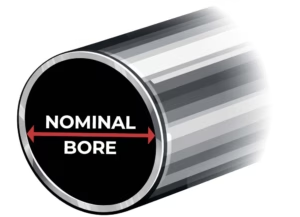
Nominal Bore (NB) is a standardised naming system used to classify steel pipes. Importantly, Nominal Bore does not describe the actual outside diameter of the pipe.
Instead, NB originated as a way to loosely describe the internal capacity of a pipe, and today it’s simply used as a reference size.
Why Nominal Bore Is Not the Actual Pipe Size
Two pipes with the same Nominal Bore can have the same outer diameter with different wall thickness and different internal diameters
For fencing, this means hardware is sized by Nominal Bore and our clamps and fittings rely on this to figure out what is compatible on each post.
Common Nominal Bore Sizes Used in Fencing
The most common NB sizes you’ll encounter in fencing include:
- 20NB – light fencing, small enclosures
- 25NB – common line posts and light rails
- 32NB – top rails and general fencing
- 40NB – corner posts and light gates
- 50NB – gate posts and high-load applications
Each size has a specific role depending on fence height, tension and gate weight.
What Is Outside Diameter (OD)?
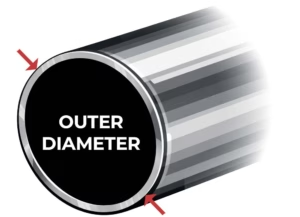
Outer Diameter (OD) is the actual measured diameter of the outside of the pipe. When selecting fencing hardware, you will need to make sure the fitting fits the outside diameter.
Why Outer Diameter Matters for Fence Hardware
Our fencing hardware such as: rail clamps, post clamps, brackets and gate fittings are all manufactured to fit a specific outer diameter but they are referenced in nominal bore.
For example:
- A 32NB pipe will always have the same outside diameter, regardless of wall thickness
- A clamp designed for that OD will fit both light and heavy wall variations
This is why clamps are interchangeable across wall thicknesses but not across different NB sizes.
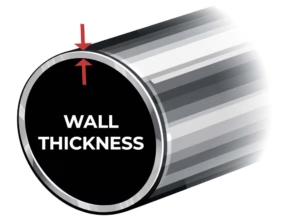
What Is Wall Thickness (WT)?
Wall thickness refers to how thick the steel wall of the pipe is. This directly affects strength, weight and durability.
Thicker wall pipes are stronger, resists bending and impact however it costs more and weighs more.
Thinner wall pipes are lighter and cheaper and easier to handle however they are less suitable for high-stress areas and provides less security.
How Wall Thickness Affects Fence Strength
Wall thickness is critical in areas where fencing experiences: wind loading, chainwire tension, gate movement or impact and security stress.
Thin wall thickness pipes may be suitable for line posts but can fail quickly when used for gates or corners.
When You Should Use Thicker Wall Pipe
Thicker wall pipe is recommended for: gate posts, corner and end posts, security fencing, high-wind locations as well as commercial and industrial fencing.
Using heavier wall pipe in these areas prevents movement, sagging and long-term damage.
Typical Steel Pipe Sizes for Fencing (Practical Examples)
Below is a general guide for common fencing applications. This table covers most residential and commercial fencing projects.
| Fence Application | Typical Pipe Size |
| Line posts (vertical supports) | 25NB – 32NB |
| Top rails (horizontal posts) | 32NB |
| Corner / end posts | 40NB or larger |
| Gate posts | 40NB – 50NB |
| Security fencing | Heavy wall options |
Choosing the Right Pipe Size for Your Fencing needs
Chainwire Fencing
Chainwire fencing relies on tensioned mesh, stable posts and secure rail connections.
Pipe sizing can vary but you would typically use:
- 25NB-40NB is used for top rails
- 32NB-40NB for line posts
- Heavier wall pipe for gate posts and corners
Hardware such as rail clamps and post clamps must match the pipe OD exactly.
Gates & Access Points
Gates place the highest stress on fencing components. Gate posts should always be larger NB, thicker walls and properly concreted.
Undersized gate posts are the most common cause of sagging and hinge failure.
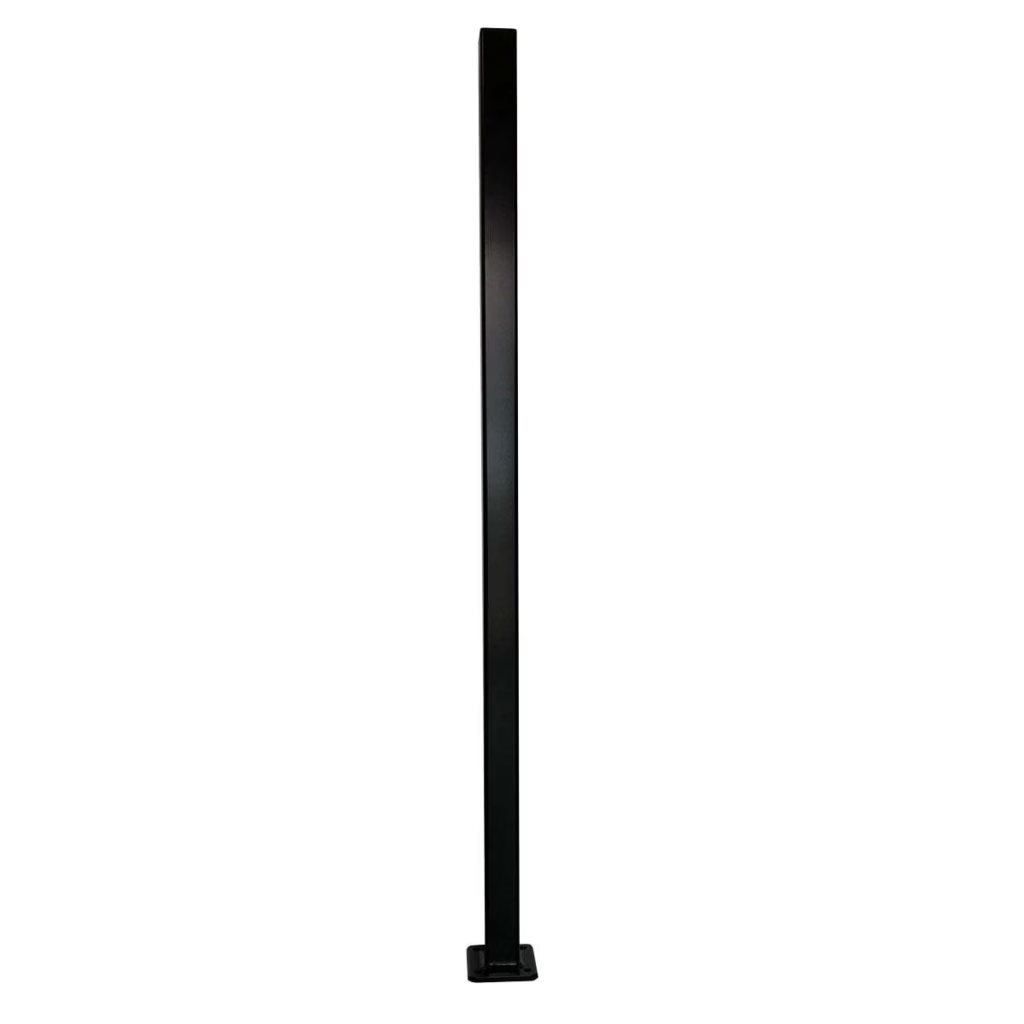
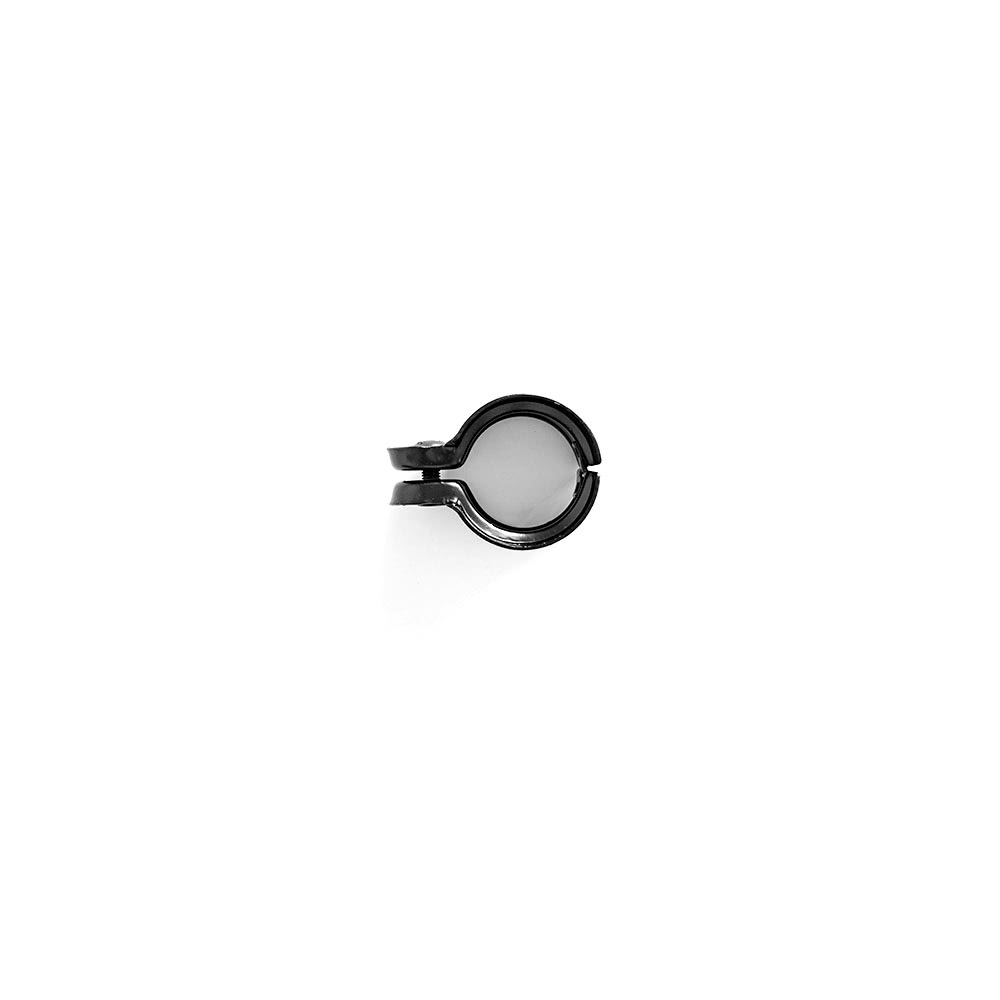
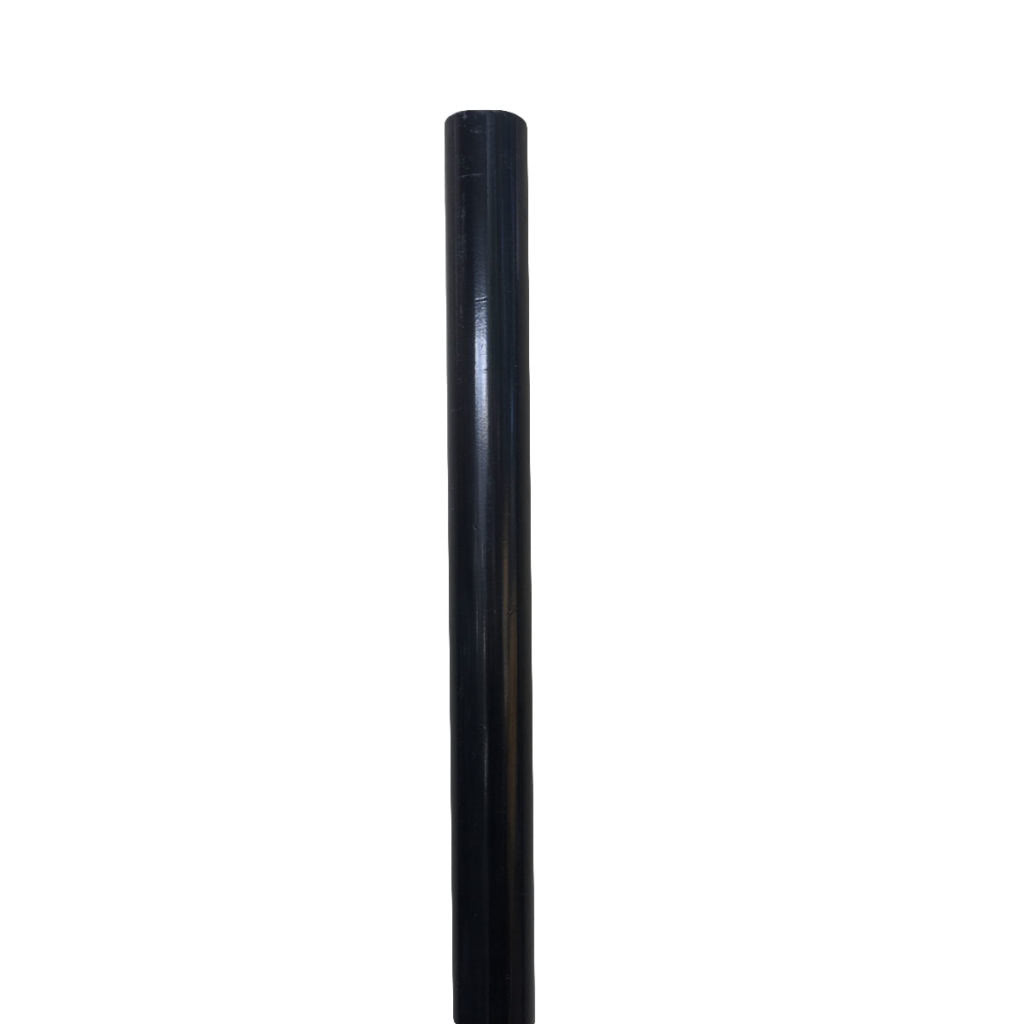
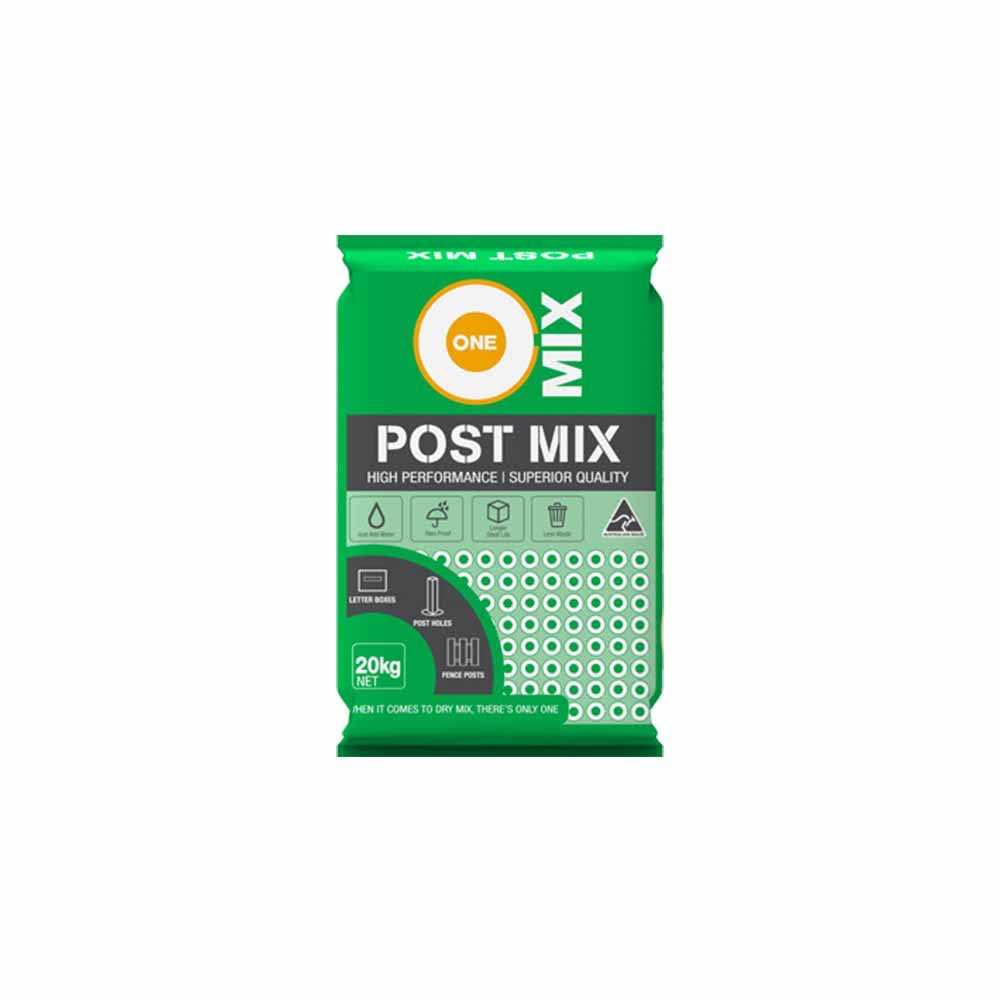
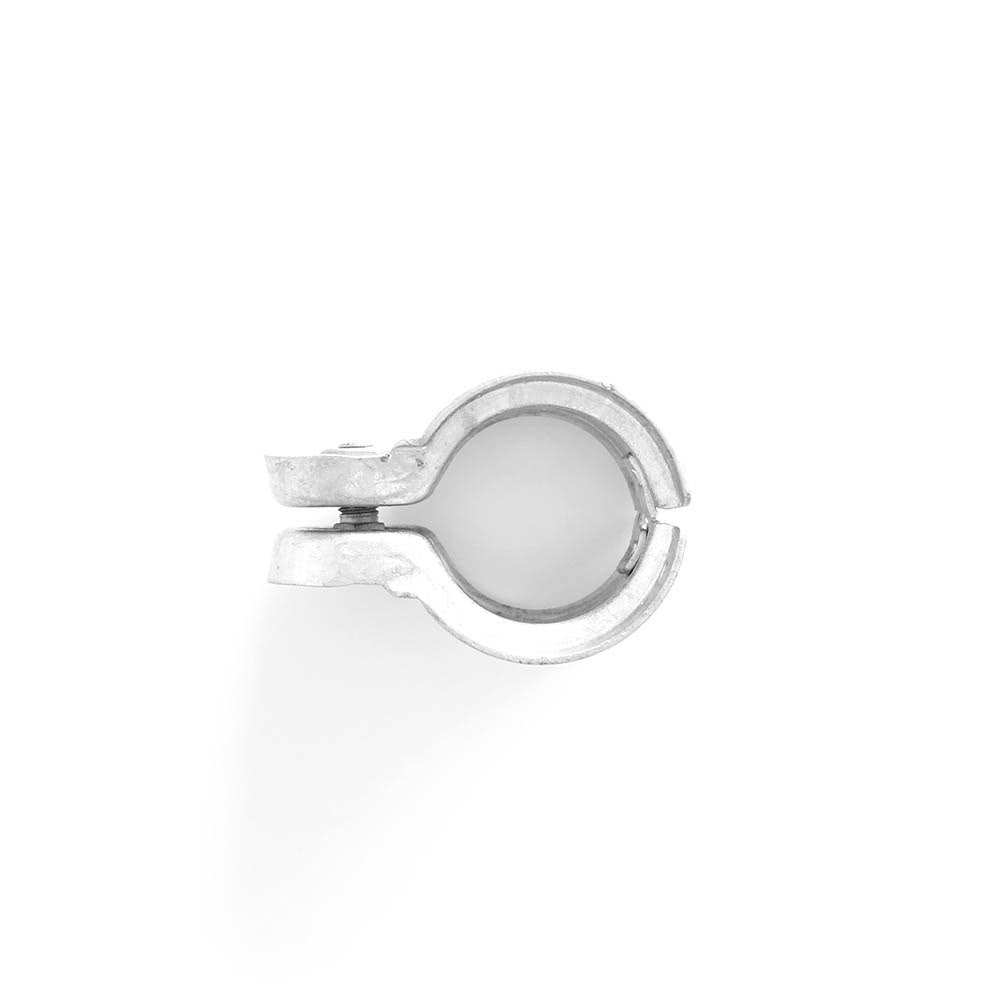
Some of the post related products we stock
Common Mistakes When Buying Steel Pipe for Fencing
Some of the most frequent errors include:
- Assuming Nominal Bore equals pipe diameter
- Buying clamps based on NB instead of OD
- Using light wall pipe for gates
- Mixing incompatible fencing systems
Avoiding these mistakes will save you time, money and having to rework the fence.
How to Measure Steel Pipe Correctly
If you’re matching existing fencing:
- Measure the outside diameter using a tape or calipers
- Measure wall thickness if possible
- Match clamps and fittings to the OD*.
*Please note: the fittings we sell are measured in NB sizes. This means our fittings will automatically fit the correct outside diameter as long as you have determined the right nominal bore of the pipe.
Quick Buying Guide – Steel Pipe for Fencing
Before purchasing, consider:
- Fence type (chainwire, security)
- Fence height
- Wind exposure
- Gate weight
- Required hardware compatibility
If in doubt, selecting a slightly heavier wall pipe often improves longevity with minimal extra cost.
Frequently Asked Questions About Steel Pipe Sizes for Fencing
No. Nominal bore is a reference size. Match your hardware to the outer diameter.
We sell standard sized fittings that are based on the nominal bore measurement. This means the fittings will automatically fit the equivalent matching outside diameter of the pipe to what the nominal bore your pipe is.
Gate posts typically require 40NB or larger with thicker wall pipe.
No. Clamps fit based on outside diameter (OD), not wall thickness.
Our fittings take the guesswork out of needing to reference outside diameter by sizing based on nominal bore (NB) size. It matches the outside diameter.
Yes. However light wall pipes are used for light applications only. You might use light pipes for top rails or line posts, but not recommended for gates or corners.
Final Thoughts
Understanding steel pipe dimensions removes guesswork from fence building. By choosing the correct Nominal Bore, outer diameter and wall thickness, you ensure proper hardware fit, strong, straight fencing and long-lasting gate performance.
Whether you’re a DIY builder or trade professional, selecting the right pipe from the start leads to a better fence and fewer problems down the track.